
brief pilgrimage
tending to the geni

The light of late winter is soft in the morning and harsh as the day wanes. The rain washes away the snow and reveals the suspended scents of the neighborhood as Juniper and I walk. My conclusion is still just write. The hardest thing to do.
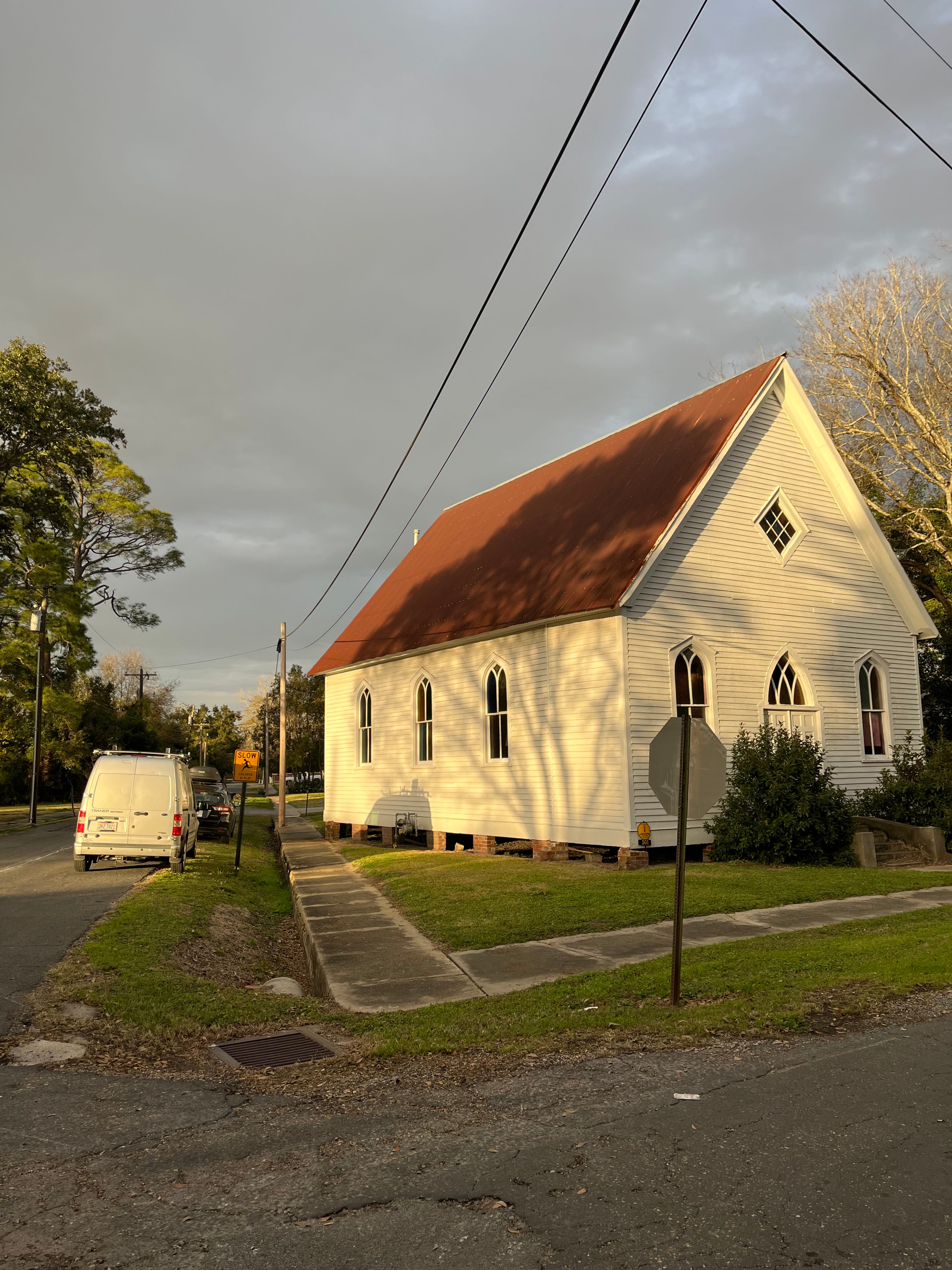
A few weeks ago, I went to Louisiana to meet my friends Taylor and Jordan of Wild Altar Farmstead. There’s nothing like a long drive to sort out the tangle of mystery with ample time for reflection and voice notes. Space provides a longview from the life one lives. My time was brief but compact, our days dedicated almost purely to creation, the perfect artist residency. I recorded 6 songs for an EP, did two tattoos, started a quilt to trade for a rocking chair John Wood made for me.
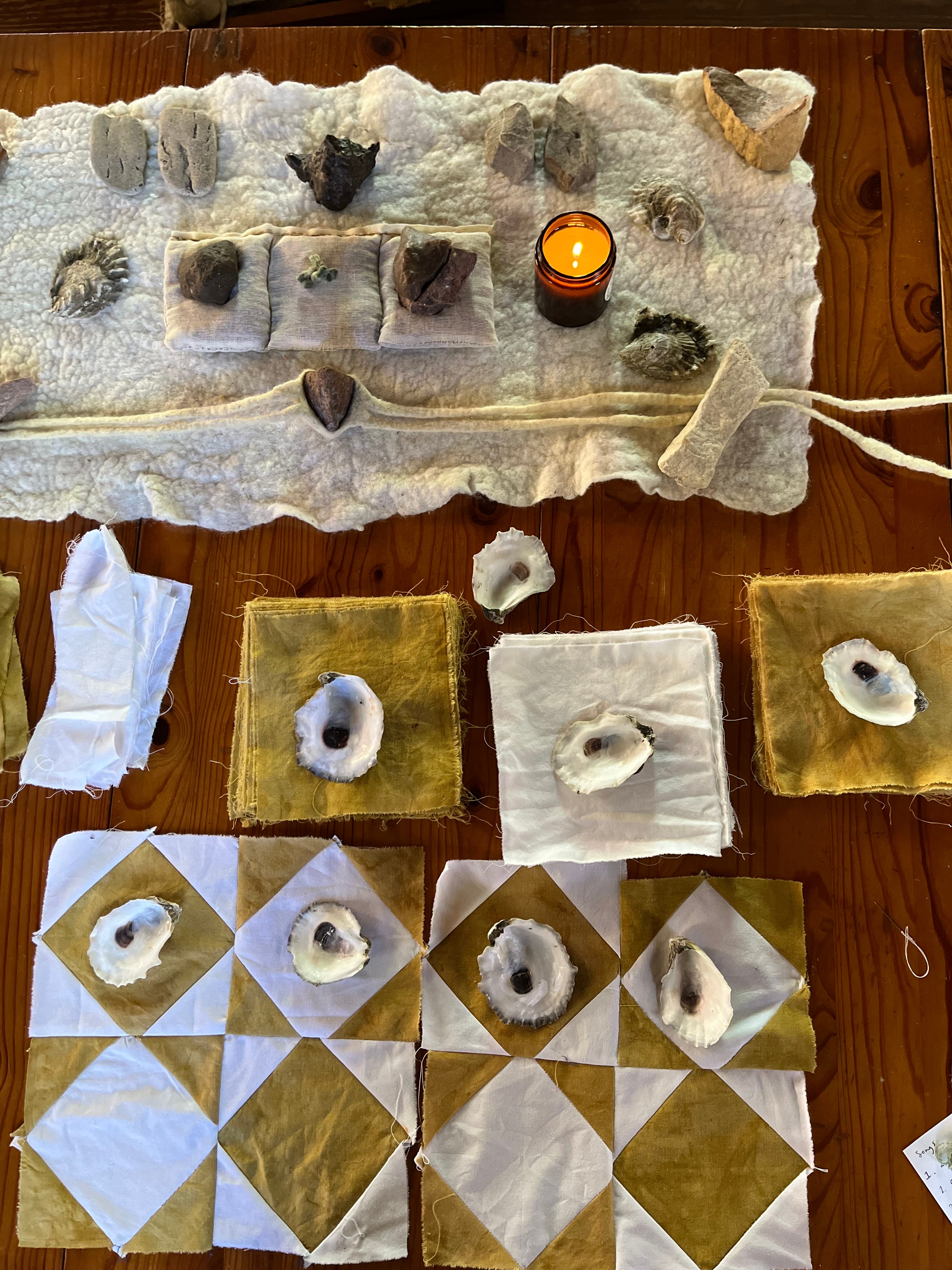
I seek a fresh breath to last thru the winter, a 72 degree day and a walk in the sun. I have felt so energized in my return home. The house looked foreign, almost completely different from how I remembered it for a brief moment after the long drive. Now, I am settled back into the familiar setting with a new found gratitude. Nothing gold, not even the golden light in every corner of this house, can stay.
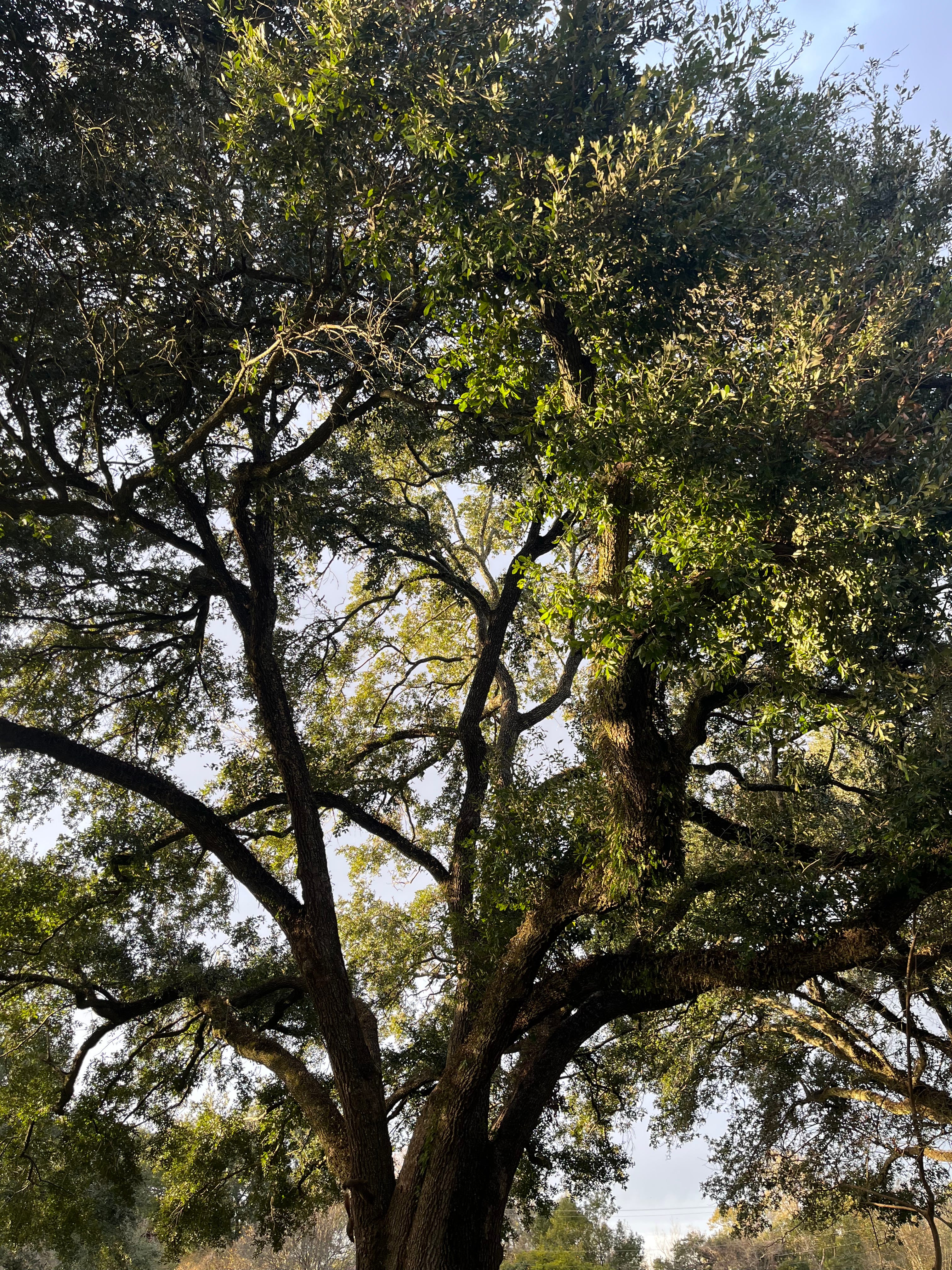
In ancient Roman religion, genius loci refers to the spirit that protects a place, centering the site of genius not in the human mind or body but in the land itself. Rather than someone being a genius, they were instead visited by the spirit of genius. This concept has been important for my partner and I in our land tending practices.
In contemporary understandings, the phrase is used to refer to the vibes or local atmosphere. I feel this interpretation falls flat, dehumanizing landscapes as unrelated or places to move through. This also indicates the separation inherent in the very language of western cultures which consider humans separate from the rest of the living world. I feel so fortunate to travel into different worlds, to soak up the energy that lives within. It was the strange suspension at the beginning of the year before the inauguration and the subsequent rampant parade of authoritarianist insanity in the time since.
My love and I chose not to resign our lease, to no longer pay a man who owns two teslas any more of our money. It will be bittersweet to leave the house I lived in the longest in my adult life. The next step is still fuzzy though taking shape. Still in our town, more connecting to the geni here in Southeast Ohio, hoping to put the next pieces in place in spite of the current state of the country.
I am trying to be empowered by the despair. I do feel I have been in this mode for quite a while. Thankfully, I gave up on the idea of an arts career years ago and I have been working ever closer to the land since. Art and its institutions are usually deemed frivolous and first on the chopping block for those who want the safety net frayed even farther and eradication of all public good.
Art & People
I want to trouble the notion that I’ve seen on social media recently that art is stripped by authoritarian regimes because just the very act of creation is powerful. The post, while good intentioned, encourages the reader to make art even if it isn’t political because act of making is. It is true that regimes tamp down on expression but it is the work and expression of movements, of networks of people more than the individual. It is also true that at every threat of reducing the size of the government involves cutting programs that feed people, house people, provide care, provide important services for vulnerable people, provide support for research, support farmers, etc etc. all things that do good work to support art and life. Notably missing from the cuts are swelling police and military budgets which far outweigh the government spending on any aspect of the social safety net.
The idea of the inherent power of art making plays into the neoliberal hand, emphasizing individual success and the purity of expression. Art is often talked about, especially in the climate-controlled Art World in this vague manner of expression and resistance. Don’t get me wrong, art can certainly be a channel for resistance. But merely creating, and creating in a vacuum serves none but the individual. ismatu gwendolyn writes about this saying, “Art isn’t radical, people are.” Her essay The Mythical Black Artist is a rich read on Nina Simone’s politics. Worth a read or watch.
“An artist’s duty, as far as I am concerned, is to reflect the times. I think that is true of painters, sculptors, poets, musicians, I– as far as I am concerned, some concerned, it’s their choice. But I choose to reflect the times and the conditions in which I find myself. That, to me, is my duty. And at this crucial time in our lives, when everything is so desperate, when every day is a matter of survival, I don’t think you can help but be involved. Young people, black and white, know this– that’s why they’re so involved with politics. We will shape and mold this country, or it will not be molded and shaped at all anymore. So I don’t think you have a choice— how can you be an artist and not reflect the times? That, to me, is the definition of an artist.” –Nina Simone, 1969
I have felt for a while that good art, responsible art is one that can somehow both respond to a current moment and join a web of pre-existing relationships that pulls seemingly disparate ideas and communities together. That is what makes Nina Simone’s work ever present, both of her time and timeless. Work for water and climate justice, abolition, food security, equitable housing can take many forms—a song, a quilt, or basket—but the work doesn't end in the making, it only begins there. The threads of radicalism that people notice throughout the history of art are not in the art itself but in the people and communities surrounding the making of the art. Art is not radical, people are.
Community & Resilience
If you’re tapped in already you know the antidote to whatever is coming is community, not in its vague form, not in a neoliberal term for populations, but in difficult, entangled, local community. We need to lean into networks that are already existing in our regions. We need to grow food collaboratively, rather than alone so that everyone doesn’t end up with a surplus of tomatoes and zucchini. Staple crops, dry beans, may we learn from the indigenous land tenders who lived here for centuries without extraction.
I am blessed at this time to live in Appalachia and much of my land politic is filtered through our peculiar Ohio lens. As Irene describes:
I’ve filtered a lot of my education about the area and the culture through its food. If you live in Athens there is a good chance you’ve been invited to a maple syrup boil, traded or been gifted seeds, bartered, fermented, foraged, had someone you just met give you fresh deer meat. What these experiences have in common is a culture of exchange, generosity, and interdependence—a way of life where value is measured not by what you own, but by what you contribute and share with others.
You can read more below:

Making art is important, it is an indication that people are able to live beyond mere survival. And through it all, through genocide in Palestine and unspeakable horrors around the world and at home, the human ability to make art demonstrates a resilience and yearning for deep connection to earth and something bigger.
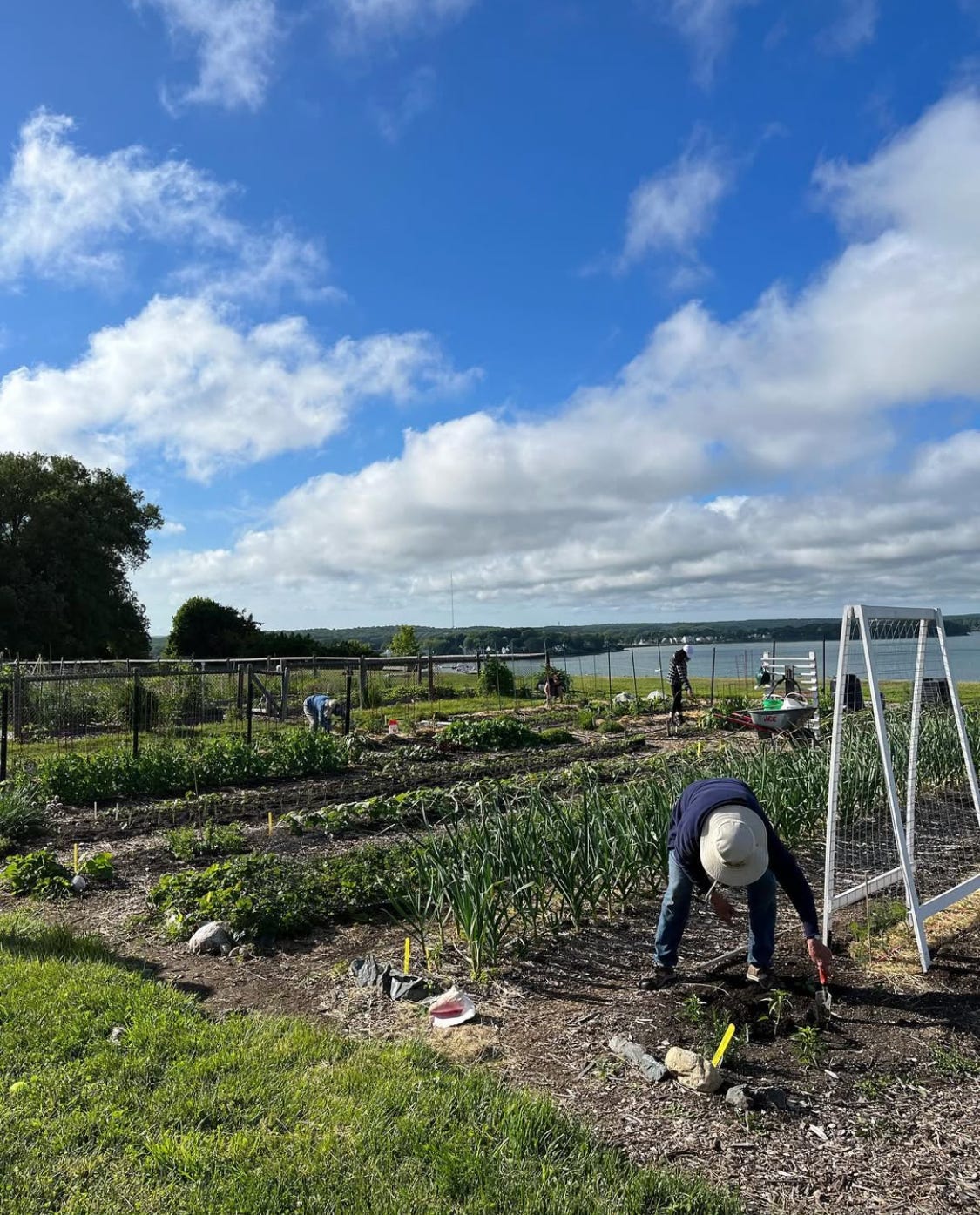
After three weeks of sitting on this draft, I am noticing the soft changes that bring spring home to us. I am heartened by changing light, the promise of seeds, of good trouble, of community in resistance, the exchange of gift and skill among the people I know who work so hard. I am sending light to you, dear reader and the feeling of this spring garden in Maine.
Inspired...time to get to work. <3